Psychological counseling
Isabel Dodiță - Therapist
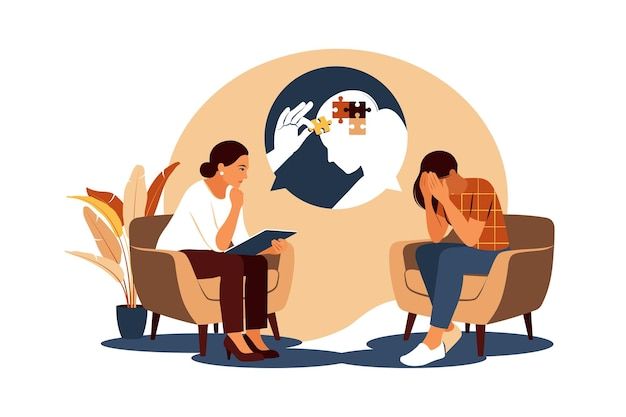
Psychological counseling is a therapeutic process aimed at supporting and improving the emotional and mental state of people facing various difficulties. It includes several essential components that help create a safe and empathetic framework for exploring personal issues and developing effective coping strategies. Here is what psychological counseling can include:
01.
Initial assessment
Psychological counseling usually begins with an initial assessment, where the psychologist will ask you questions to better understand your current situation, concerns and goals you want to achieve. This helps establish a personalized counseling plan implemented according to your specific needs.
02.
Establishing a therapeutic relationship
An essential aspect of psychological counseling is creating a relationship of trust between you and the psychologist. This relationship is based on confidentiality, empathy, and mutual respect, giving you a safe space to express yourself freely without fear of judgment.
03.
Problem identification and exploration
During counseling sessions, we will work together to identify and explore the emotional, behavioral or cognitive issues you are facing. These can include relationship difficulties, stress, anxiety, depression, adjustment problems or other issues that affect your well-being.
04.
Development of coping strategies
A central goal of psychological counseling is to help you develop effective coping strategies. I will guide you in identifying the internal and external resources you can use to face the challenges in your life. You will learn stress management, emotional regulation and problem solving techniques.
05.
Exploring and changing thought patterns
Psychological counseling can also include cognitive interventions, which help you identify and change negative or dysfunctional thought patterns. This process helps you change your perspective on problems and develop a more positive and realistic attitude towards life.
06.
Development of communication and relationship skills
In counseling, you can work on improving your communication and relationship skills. These skills are essential to maintaining healthy relationships and effectively expressing your needs and feelings.
07.
Goal setting and tracking
Another important aspect of psychological counseling is the establishment of clear and measurable goals for the therapeutic process. As you progress, we'll work together to assess your progress and adjust your counseling plan, making sure your goals are being met.
08.
Reflecting and integrating learning
During counseling, you will have the opportunity to reflect on the progress made and integrate what you learned during the sessions into your everyday life. This will help you reinforce your new behaviors and attitudes and maintain your emotional balance in the long term.
09.
Closing and future planning
Once you have achieved your set goals, the counseling will end, but the psychologist can provide you with guidance for maintaining your progress and managing future challenges. This stage also includes discussions on how you can continue to apply what you have learned in the sessions to your everyday life.
Through psychological counseling, you will embark on a complex process of self-knowledge and transformation, in which you will be supported to reach your maximum potential and live a more balanced and fulfilled life.
 English
  Romanian